



Understanding Houses for Lease: Your Path to Informed Renting
Houses for lease offer renters the space, privacy, and freedom of a single-family home without the long-term commitment of a mortgage. Whether you need more room for your family, a backyard for pets, or a quieter living environment, leasing a house provides unique advantages over apartment living.
Quick Overview: What You Need to Know About Houses for Lease
- Space & Privacy: Single-family homes typically offer more square footage, outdoor space, and separation from neighbors.
- Typical Monthly Costs: Median rent ranges from $1,373 to $2,800+ depending on size and location (May 2024 data).
- Upfront Costs: Expect a security deposit (often 1-2 months’ rent), first month’s rent, and potential application or pet fees.
- Property Types: Single-family homes, townhouses, duplexes, and condos.
- Where to Search: Online listing platforms, real estate agents, and property management companies.
- Application Process: Involves a credit check, background check, income verification, and references.
- Key Rights: Includes habitable living conditions, privacy, and fair housing protections.
Leasing a house involves more than finding a property you like. You must understand the full cost structure, steer the application process, recognize potential scams, and know your legal rights. The rental market varies significantly by location, with some areas seeing increased demand and others offering more favorable pricing.
I’m Joseph Cavaleri, CEO of Direct Express Rentals and Direct Express Realty, with over two decades of experience helping families find and manage houses for lease throughout Florida. My background in property management, real estate brokerage, and community development has given me insight into what makes a successful rental experience for both tenants and property owners.
This guide walks you through every step of the leasing process—from determining your budget and finding listings to understanding lease terms and avoiding common pitfalls. You’ll learn how to identify the best deals, what questions to ask before signing, and how current market trends might affect your search.
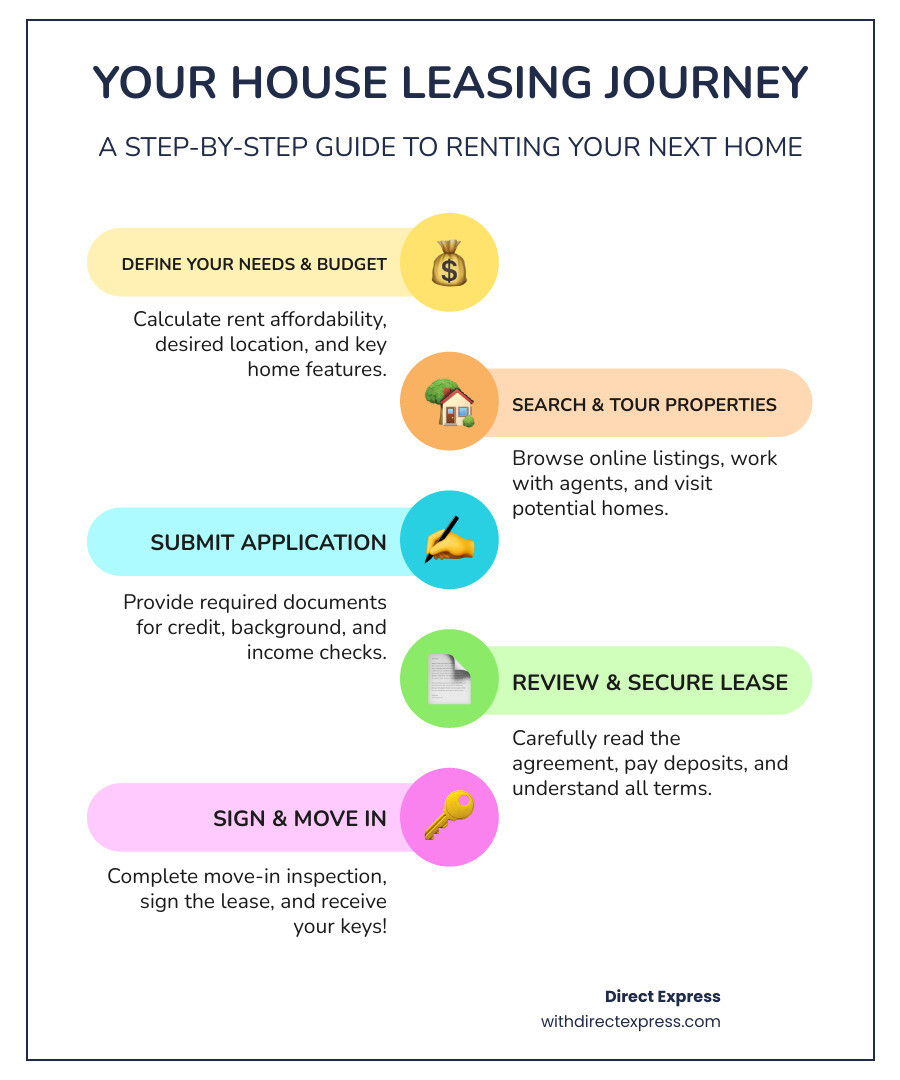
Houses for lease vocab explained:
Why Lease a House? Key Benefits and Property Types
Choosing to lease a house instead of an apartment often comes down to lifestyle and personal preference. For many, the benefits of renting a house far outweigh those of apartment living, especially in areas like St. Petersburg, Tampa Bay, and other vibrant Florida communities where space and privacy are highly valued.

One of the most appealing aspects of houses for lease is the increased space. This isn’t just about square footage indoors; it extends to outdoor areas as well. Many houses come with private yards, perfect for gardening, entertaining, or simply enjoying the Florida sunshine. This also means more privacy – fewer shared walls, separate entrances, and a greater sense of personal space, which can be a huge relief after a long day.
For pet owners, a house often provides more pet-friendly options, including fenced yards for furry friends to roam safely. We understand that pets are family, and finding a rental that accommodates them is a top priority for many of our clients.
Let’s look at how different types of houses for lease compare:
| Feature | Single-Family Home | Townhouse | Duplex |
|---|---|---|---|
| Space | Generally largest, private yard | Often multi-story, smaller yard/patio | Two units, shared wall, some private yard space |
| Privacy | Highest, no shared walls | Shared walls with neighbors | Shared wall with one neighbor |
| Maintenance | Tenant often responsible for yard care | HOA may cover exterior/yard, tenant interior | Landlord or tenant (varies by lease) |
| Cost | Typically highest rent, higher utility costs | Mid-range rent, moderate utility costs | Lower-to-mid range rent, moderate utility costs |
| Noise Level | Lowest | Moderate (shared walls) | Moderate (shared wall) |
Want to learn more about a specific type of rental? Check out More info about Duplex for Rent.
Choosing Your Home Style
When searching for houses for lease, you’ll encounter various property types, each with its own charm and considerations. Understanding these differences can help you narrow down your search and find the perfect fit for your needs in Florida.
- Single-Family Home: This is the quintessential house, standing alone on its own lot. It offers the most privacy, typically comes with a yard, and provides ample space for families. While it generally commands a higher rent, it also offers the most freedom in terms of personalization (within lease agreements, of course!).
- Townhouse: Townhouses are often multi-story homes that share one or more walls with neighboring units but typically have their own private entrance. They often come with a small yard or patio and may be part of a community with shared amenities, sometimes managed by an HOA. They offer a good balance between apartment living and a detached home.
- Duplex Home for Rent Near Me: A duplex consists of two separate living units within a single building, sharing a common wall or floor/ceiling. They often have separate entrances and can offer more space than an apartment at a potentially lower cost than a single-family home. It’s like having a neighbor, but with more independence.
- Condos for Rent Near Me: While technically an apartment-style unit, a condo is individually owned and can be leased out by the owner. Condos often come with access to community amenities like pools, gyms, and shared common areas, making them a popular choice for those who enjoy a resort-like lifestyle, common in many Florida cities like Tampa and St. Petersburg.
Choosing the right property characteristics, from the number of bedrooms and bathrooms to the size of the yard and proximity to schools, is crucial for a happy home.
Unique Rental Options
Beyond the traditional house types, the rental market in Florida also offers some unique options that cater to specific needs and preferences.
- Best Tiny Home Rentals: For those seeking a minimalist lifestyle or looking for a more affordable option, tiny homes offer a compact yet functional living space. They’re gaining popularity for their efficiency and often unique designs.
- Manufactured Homes for Rent: These homes, built in a factory and then transported to a site, can provide a cost-effective alternative to traditional stick-built houses. They often come with yards and community amenities, especially in dedicated manufactured home communities.
- Cabin Rentals Near Me: While perhaps less common in our immediate Florida urban centers, cabin rentals offer a rustic escape for those looking for a unique living experience, perhaps closer to natural areas or beaches.
- Furnished Rentals: Ideal for short-term stays, corporate relocations, or those just starting out, furnished rentals come with all the essential furniture and sometimes even kitchenware. This can save you the hassle and expense of moving your own belongings.
- Short-Term Leases: Sometimes, a standard 12-month lease just doesn’t fit your plans. Short-term leases (anything from month-to-month to 6 months) offer flexibility, though they often come with a higher monthly rent to compensate the landlord for the increased turnover.
Your Search Strategy: Finding the Perfect Rental
Finding the perfect house for lease in Florida requires a smart strategy. It’s a hunt for a comfortable home that fits your budget and lifestyle.
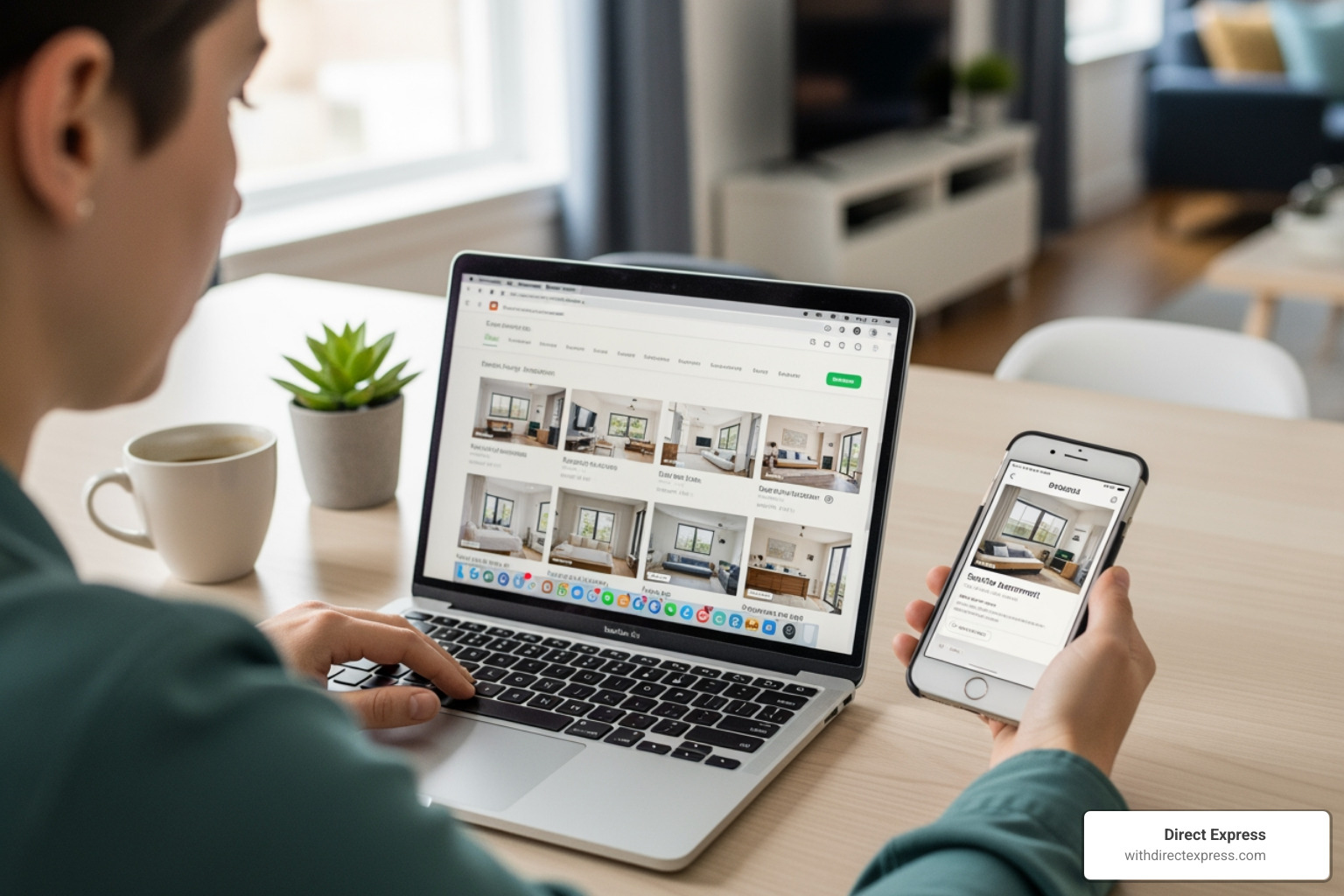
First, budgeting. Before you start looking, know what you can comfortably afford. A good rule of thumb is to spend no more than 30% of your gross monthly income on rent. This ensures you have enough left for utilities, food, and savings. For example, the median rent nationwide in May 2024 was $1,373, but for a 3-bedroom house, it climbed to $1,775. In our Florida markets, these numbers can vary, so a clear budget is essential. If you want to dive deeper into how housing costs affect overall affordability, the entry on Housing affordability is a useful external resource.
Next, location scouting. Do you dream of living near the beaches of St. Petersburg, the vibrant downtown of Tampa, or the family-friendly suburbs of Lutz and Wesley Chapel? Consider commute times, proximity to schools, shopping, and entertainment. We help our clients find properties that align with their ideal lifestyle across these diverse Florida locales.
Finally, you’ll need the right tools: online search platforms and real estate agents. For a comprehensive overview of the rental journey, check out our Homes for Rent Ultimate Guide.
Using Online Platforms and Real Estate Agents
The digital age has made finding houses for lease easier, but it also means sifting through a lot of information.
- Listing Aggregators: Major online listing websites are invaluable tools. They compile listings from various sources, offering a vast selection. Use platforms with robust search filters to specify everything from the number of bedrooms and pet policies to price range and amenities like a pool or fenced yard. Many offer custom alerts, notifying you when a new property matching your criteria hits the market.
- Real Estate Agents: While online platforms are great for browsing, a local real estate agent specializing in rentals can be a game-changer. Agents often have access to listings that aren’t yet public and possess deep market knowledge of specific Florida neighborhoods. They can help you steer lease terms, negotiate with landlords, and spot potential red flags. Working with a professional real estate agent can save you time and stress, ensuring you find a suitable home efficiently. For a broader look at how licensed agents support buyers and renters, you can read more about the Real estate broker profession.
How to Find the Best Deals on houses for lease
Everyone loves a good deal, and finding one on a rental house is possible with a bit of savvy.
- Off-Season Searching: The rental market often cools down in the fall and winter. Fewer people are moving, which can lead to less competition and potentially more motivated landlords willing to negotiate.
- Negotiating Rent: Don’t be afraid to ask! If a property has been on the market for a while, or if you have excellent qualifications (strong credit, stable income), a landlord might be open to a slightly lower rent, especially if you’re willing to sign a longer lease.
- Exploring Nearby Cities: Sometimes, moving just a few miles down the road can significantly impact your rent. For example, if you’re looking in Tampa, exploring options in Largo or Parrish might yield more affordable houses for lease.
- Understanding Market Data: Keep an eye on local rental market trends. If rents are generally stable or declining, you might have more leverage. The average rent for a 3-bedroom apartment nationwide in May 2024 was $2,175, but this varies wildly by location.
- Rental Concessions: If a lower rent isn’t an option, ask about other concessions. This could include a month of free rent, a waived pet fee, or upgraded appliances.
The Nitty-Gritty: Costs, Applications, and Red Flags
So, you’ve found a few promising houses for lease in your desired Florida neighborhood. Now comes the serious part: understanding the financial commitments, navigating the application process, and, crucially, avoiding scams.
The application process typically involves a credit check, a background check, and income verification. Landlords want to ensure you’re a responsible tenant who can pay rent on time. It’s a standard part of the process, but unfortunately, it’s also where some scams can begin. Be vigilant! Speaking of vigilance, if you’re ever looking into properties from less traditional avenues, understanding the landscape of potential foreclosures might be part of a broader real estate strategy. In addition to leasing, it highlights the importance of due diligence in any property-related pursuit: Sheriff Sale Houses Near Me.
Understanding the Full Cost of Renting
Renting a house involves more than just the advertised monthly rent. It’s essential to budget for all associated costs to avoid any unwelcome surprises.
- Monthly Rent: This is your primary cost. The median rent nationwide in May 2024 was $1,373, but a 4-bedroom house averaged around $2,800. Local prices in places like Palm Harbor or Wesley Chapel can differ.
- Security Deposit: Most landlords require a security deposit, typically one to two months’ rent, to cover damages beyond normal wear and tear. Florida has specific laws governing how these deposits are handled and returned.
- Pet Costs: If you have pets, expect additional costs. This could be a non-refundable fee, a refundable deposit, or monthly “pet rent.” Always clarify the pet policy and costs upfront.
- Utility Costs: With a house, you’re almost always responsible for all utilities: electricity, water, sewer, trash, gas, and internet. These can add several hundred dollars to your monthly expenses.
- Renter’s Insurance: Highly recommended, this affordable insurance protects your personal belongings from theft or damage and provides liability coverage. It typically costs less than $20 a month.
- Application Fees: Landlords may charge a non-refundable fee ($30-$100 per adult) to cover the cost of credit and background checks.
- Resident Benefits Package (RBP): Some property management companies offer an RBP for a monthly fee (e.g., $35-$45). This often bundles services like credit building, identity theft protection, and HVAC filter delivery.
Navigating the Application and Avoiding Red Flags
The application process is your chance to shine as a responsible tenant, but it’s also where you need to be cautious.
- Required Documents: Be prepared with identification, proof of income (pay stubs, tax returns), employment history, and references. Having these ready can speed up your application.
- High-Pressure Tactics: Be wary of landlords who pressure you to sign a lease immediately or demand cash payments without proper receipts. A reputable landlord will give you time to make an informed decision.
- Vague Lease Terms: A clear, detailed lease protects both you and the landlord. If terms are vague or contradict verbal agreements, ask for clarification and get everything in writing.
- Refusal to Show Property: Never sign a lease or pay money for a property you haven’t seen in person. If a “landlord” claims to be out of the country or makes excuses, it’s a huge red flag.
- Requesting Cash Deposits: Demanding a large cash deposit, especially without a written receipt, is suspicious. Always use traceable payment methods like checks or online payment portals.
- Craigslist Scams: Be extremely cautious on platforms like Craigslist or Facebook Marketplace. Scammers often copy legitimate listings, change the contact info, and try to trick renters into sending money for properties they don’t own. Always verify the property and landlord’s legitimacy.
Your Rights and the Market: Legalities and Trends for Houses for Lease
Understanding your legal rights and responsibilities as a tenant, along with staying informed about current market trends, is crucial for a successful rental experience. Here at Direct Express, we believe informed renters are empowered renters.
As a tenant in Florida, you have certain rights, and landlords have specific responsibilities. You also have obligations under your lease agreement. We always recommend reviewing your lease thoroughly and understanding Florida’s landlord-tenant laws. It’s also important to be aware of fair housing laws, which protect renters from discrimination.
Know Your Rights: A Renter’s Legal Checklist
Navigating the legal landscape of renting can seem daunting, but knowing your basic rights protects you.
- Right to a Habitable Home: Your landlord is required to provide a safe, clean, and habitable living environment. This means ensuring the property meets basic health and safety standards, including working plumbing and electricity.
- Right to Privacy: Your landlord cannot enter your home without proper notice, except in emergencies. Florida law typically requires at least 12 hours’ notice for non-emergency entry.
- Security Deposit Laws: Florida has specific regulations on how landlords handle security deposits. They must return your deposit within 15 to 60 days after you move out, depending on whether they claim against it.
- Eviction Process: Landlords must follow a strict legal process to evict a tenant. They cannot simply lock you out or shut off utilities. You have the right to proper notice and a chance to respond in court.
- Landlord’s Right to Enter: While you have a right to privacy, your landlord can enter for legitimate reasons like repairs, inspections, or showing the property (with proper notice).
Current Trends Affecting the Rental Market
The rental market for houses for lease is dynamic. Staying aware of these trends can help you make strategic decisions in your search.
- Rising Rents: Nationally, rental prices are trending upward. The median rent for a 3-bedroom home was $1,775 in May 2024, while a 4-bedroom was $2,800. Florida markets often reflect or exceed these trends, so budget carefully.
- Demand for Single-Family Rentals: There’s strong demand for single-family houses for lease. Many families prefer the space, privacy, and yard that a house offers, making the market more competitive.
- Smart Home Features: Technology is increasingly integrated into rentals. Many houses now come with smart thermostats, locks, and lighting, offering convenience and potential utility savings.
- Pet-Friendly Amenities: More landlords are offering pet-friendly houses for lease, recognizing the importance of pets to renters. This may include welcoming policies or even designated pet areas in some communities.
- Build-to-Rent Communities: A newer trend involves entire communities of single-family homes built specifically for renting. These often come with professional management and community amenities.
- Investment Property Perspective: From our perspective at Direct Express, we see a robust market for investment properties focused on rentals. The strong demand for houses for lease in Florida makes them attractive assets for property owners. We assist investors in identifying, acquiring, and managing these properties.
Frequently Asked Questions about Leasing a Home
We get a lot of questions from prospective renters about houses for lease. Here are some of the most common ones we encounter, along with our expert answers.
What is the difference between a lease and a rental agreement?
While often used interchangeably, there’s a key distinction:
- Lease: A lease is a legally binding contract that sets a fixed term, typically 6 or 12 months (or longer). During this period, the rent cannot be changed, and neither party can terminate the agreement without cause or penalty (unless specified in the lease). It provides stability for both the landlord and the tenant.
- Rental Agreement: A rental agreement usually refers to a month-to-month tenancy. This offers more flexibility, as either the landlord or tenant can terminate the agreement with proper notice (typically 30 days, as per Florida law). However, the rent can also be adjusted with proper notice.
For houses for lease, a fixed-term lease is most common, providing predictability for both parties.
Can I negotiate the rent on a house?
Yes, absolutely! While it’s not always successful, negotiation is often possible, especially if you approach it strategically.
- Market Conditions: If the local rental market has many vacant properties or if the property you’re interested in has been listed for a while, the landlord might be more open to negotiation.
- Property Vacancy Rate: A landlord with a vacant property is losing money every day it sits empty. If you can move in quickly, that can be leverage.
- Your Qualifications: Strong credit, stable income, excellent references, and a clean rental history make you a highly desirable tenant. Highlight these strengths when negotiating.
- Negotiation Tips: Instead of just asking for a lower price, consider offering something in return, such as signing a longer lease (e.g., 18 months instead of 12), offering to pay a few months upfront (if legal and you’re comfortable), or taking on minor maintenance tasks. Sometimes, asking for concessions like a waived pet fee or a free month of rent can be more successful than a direct rent reduction.
How much notice does a landlord have to give before entering the property?
Your right to privacy is important. In Florida, landlords generally must provide at least 12 hours’ notice before entering your rental property for non-emergency reasons.
- State Laws: This notice period is typically mandated by state landlord-tenant laws. Always refer to Florida’s specific statutes (Florida Statute 83.53) and your lease agreement.
- Lease Clauses: Your lease agreement may specify the exact notice period, but it cannot override the minimum required by state law.
- Reasonable Notice: The notice should also be “reasonable” in terms of time of day. Landlords typically cannot enter in the middle of the night unless it’s an emergency.
- Emergency Entry: In genuine emergencies (e.g., fire, flood, gas leak), a landlord can enter without prior notice to protect the property or its occupants.
If you believe your landlord is violating your right to privacy, document each instance and communicate your concerns in writing.
Conclusion
Navigating houses for lease can feel like a journey, but with the right knowledge and resources, it can lead you to your perfect home in Florida. We’ve covered a lot of ground, from understanding the benefits of renting a house over an apartment and exploring different property types, to mastering your search strategy, deciphering costs, and knowing your rights.
Key takeaways for the smart renter include:
- Informed Renting: Always do your homework. Research neighborhoods, understand market trends, and thoroughly vet properties and landlords.
- Budgeting Importance: A clear, realistic budget is your best friend. Factor in all costs—rent, utilities, deposits, and potential fees—to avoid financial stress.
- Knowing Your Rights: Empower yourself by understanding Florida’s landlord-tenant laws and the specifics of your lease agreement. This protects you throughout your tenancy.
At Direct Express, we’re more than just a real estate company; we’re your integrated partner in property. We offer comprehensive services in buying, selling, investing, mortgages, property management, construction, and plumbing. This means whether you’re looking for houses for lease as a tenant, or considering an investment property to offer rentals, we can streamline the entire process for you under one roof. We’re dedicated to making your real estate experience as smooth and successful as possible.
Ready to find your next home? Explore available houses for lease in your favorite Florida communities today!