


Why Sheriff Sale Houses Present a Unique Real Estate Opportunity
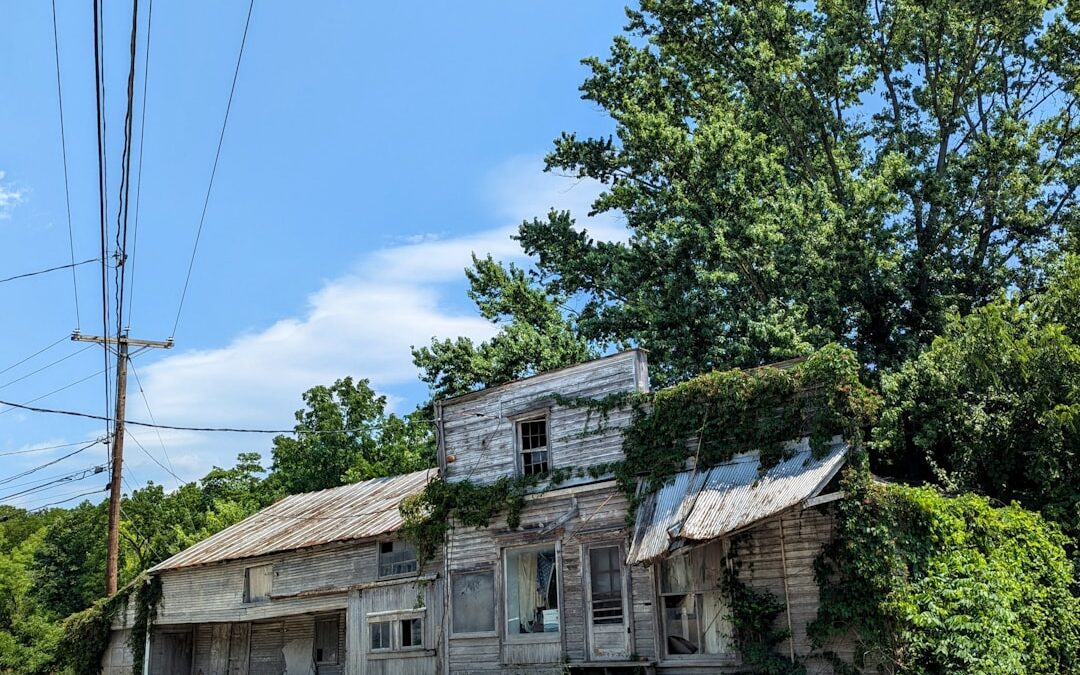
Sheriff sale houses are foreclosed properties sold at public auction to satisfy unpaid debts–typically a defaulted mortgage or delinquent property taxes. These sales offer a high-risk, high-reward path for investors and homebuyers. The main appeal is the potential to buy property far below market value. However, the risks are significant: properties are sold ‘as-is’ with no warranties, interior inspections are rarely allowed, and you may inherit title issues or current occupants.
Unlike traditional home purchases, sheriff sales require extensive homework. You’re bidding on a property you can’t fully inspect, which could have hidden liens or require legal eviction of residents. Success hinges on thorough due diligence to determine if the potential discount justifies these inherent risks.
This guide will walk you through the entire process, from finding listings and conducting research to navigating the auction and post-sale procedures. Whether you’re an investor seeking rental income or a buyer hunting for a deal, you’ll learn what it takes to succeed.
I’m Joseph Cavaleri, Broker and CEO of Direct Express Realty. With over two decades of experience in complex real estate transactions, including sheriff sale houses, my team and I have guided countless clients through the unique challenges these properties present, from pre-auction research to post-purchase property management.
What is a Sheriff’s Sale? Understanding the Basics
A sheriff’s sale is a public auction of a repossessed property, ordered by a court to pay back creditors. This is the final step in a judicial foreclosure process, where a judge has reviewed the case and ordered the sale. The sheriff’s office acts as the court’s agent, conducting the auction.
In Florida, where Direct Express operates, most foreclosures are judicial, making sheriff’s sales a common event for local buyers and investors. Understanding this process is essential if you’re serious about finding Foreclosure Houses For Sale. The sale proceeds pay off lienholders in a strict priority order, starting with the primary mortgage holder. For more context on how judicial foreclosures differ from non-judicial ones in other states, see Judicial vs. Non-Judicial Foreclosure.
Sheriff’s Sale vs. Other Distressed Sales
Not all distressed properties are the same. A sheriff’s sale happens before the bank takes full possession, which is different from a standard bank-owned (REO) property that a lender has already repossessed and listed for sale.
| Feature | Sheriff’s Sale (Judicial Foreclosure) | Standard Foreclosure (Bank-Owned/REO) |
|---|---|---|
| Court Involvement | High — Court-ordered and managed by the Sheriff’s Office. | Low — Property already repossessed by lender, now owned by the bank. |
| Seller | Sheriff’s Office (acting on court order). | Bank or lender. |
| Buyer Risks | High — Sold ‘as-is,’ potential for hidden liens, no interior inspection. | Moderate — Bank may conduct minor repairs, offer disclosures. |
| Inspection Access | Limited to exterior only, interior access typically not permitted. | Often allows interior inspection, though still ‘as-is.’ |
| Condition | ‘As-is,’ no warranties or guarantees. | ‘As-is,’ but often with more information or some preparation. |
| Title Issues | Possible, buyers must conduct thorough title searches. | Less likely, as bank usually clears title before selling. |
| Occupancy | Often occupied, buyer responsible for eviction. | Usually vacant, bank typically handles eviction prior to listing. |
| Pricing | Potentially deepest discounts, minimum bids often 2/3 of appraisal. | Discounted, but less aggressive than sheriff’s sale. |
The key difference is risk versus reward. Sheriff’s sales offer the biggest discounts but come with the most unknowns–you’re buying a property you can’t enter, with potential occupants and hidden liens. REO properties cost more but offer more certainty.
Mortgage Foreclosure vs. Tax Sale
Sheriff’s sales can result from two different types of debt: unpaid mortgages or unpaid property taxes. The distinction is critical for buyers.
- Mortgage foreclosure sales occur when a homeowner defaults on their loan. The sale proceeds pay off the mortgage and any junior liens.
- Tax sales occur when a homeowner fails to pay property taxes. The county initiates a sale to recover the owed taxes.
The crucial concept is lien priority. Property tax liens almost always have priority over mortgages. This means if you buy a property at a mortgage foreclosure sale, you may still be responsible for any unpaid property taxes. Conversely, if you buy at a tax sale, other liens (like federal tax liens or HOA fees) could remain. At Direct Express, we always advise clients to conduct thorough research on lien priority at the county clerk’s office before bidding on any sheriff sale houses.
The Journey to Acquiring Sheriff Sale Houses
Acquiring sheriff sale houses is like a treasure hunt that demands meticulous preparation. It’s an exciting prospect, but success depends on your research.
Finding Sheriff Sale Listings
Unlike traditional MLS listings, finding sheriff sales requires some detective work. Key sources include:
- County sheriff’s office websites: Most Florida counties, including Hillsborough, Pinellas, and Pasco, list upcoming sales with dates, addresses, and case numbers.
- Legal notices in local newspapers: Official sale advertisements are required by law to be published here.
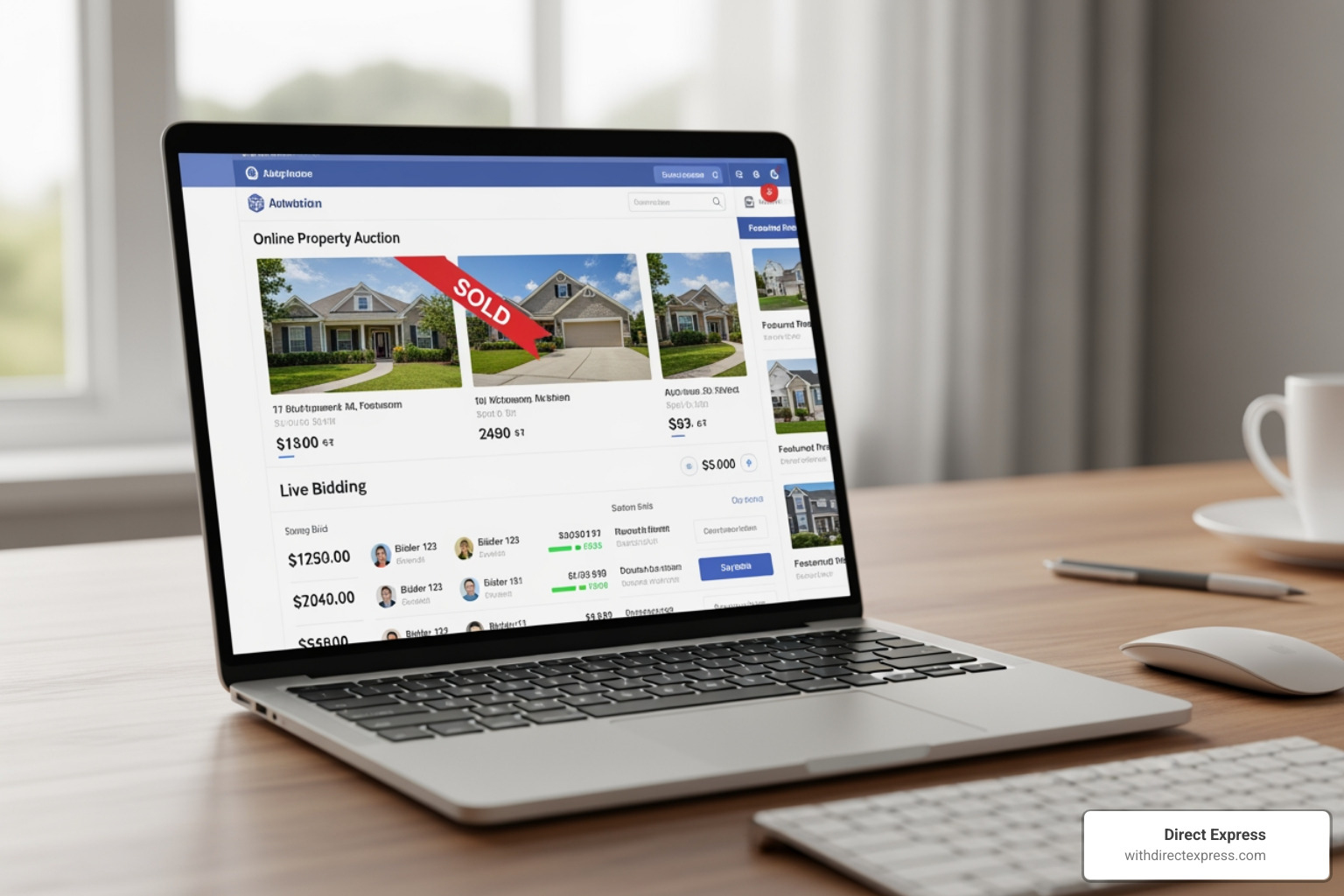
- Online auction portals: Many counties now use specialized websites for bidding, such as Philadelphia’s use of Bid4Assets.
- County clerk of courts records: Public foreclosure case files contain valuable details about the property and judgment amount.
Check these sources daily, as sales can be postponed or canceled without warning. You can also explore our Foreclosure Houses For Sale listings to identify opportunities.
Due Diligence: Your Pre-Auction Homework
This is the most critical phase. The motto of sheriff sales is “buyer beware,” as your pre-auction research is your only protection. With no interior access or warranties, you must be thorough.
Your top priority is a professional title search. The sheriff’s deed does not guarantee a clear title, and you could inherit liens (property taxes, federal taxes, HOA fees) that become your responsibility. You must investigate not just what liens exist, but their priority. Senior liens survive the sale and transfer to you.
Next, conduct an exterior site visit. Drive by the property at different times. Look for obvious issues with the roof, foundation, or yard. Signs of occupancy or neglect can help you estimate future costs. Also, review court records, check for code violations, and determine the property’s occupancy status. Since you can’t inspect the interior, assume the worst when budgeting for rehabilitation costs and add a significant cushion for surprises.
For more guidance, our Buying a Home Checklist offers insights you can adapt for sheriff sales. Broader context can be found in our resources on Buying a Home.
Essential due diligence steps for sheriff sale houses:
- Complete professional title search and lien investigation
- Conduct exterior property inspection and neighborhood assessment
- Review complete court records and foreclosure case file
- Check for code violations, permits, and municipal liens
- Research property tax history and assessment records
- Determine occupancy status and potential eviction requirements
- Calculate conservative rehabilitation cost estimates
- Verify zoning and land use restrictions
- Investigate homeowners association status and fees
- Confirm utilities status and any outstanding balances
The Auction: Bidding and Financials
Auctions are held either in-person at the courthouse or via online bidding platforms. The process is an open auction, with bidding starting at a minimum bid (often two-thirds of the appraised value) and increasing in set increments.
Be prepared for strict financial requirements. If you win, you must provide a deposit of 10-20% of your bid immediately. The full balance is due within 10 to 30 days. Missing this deadline means forfeiting your deposit.
Payment must be in cash, cashier’s checks, or certified funds. Personal checks are not accepted. This is why sheriff sales favor cash buyers or investors with pre-arranged financing, like a hard money loan. Before you bid, ensure your funds are liquid and in the required format. For more on foreclosure purchases, see our guide on How to Buy Foreclosure.
Weighing the Pros and Cons
Investing in sheriff sale houses has two sides: the potential for significant gain and the presence of substantial risks. Understanding both is key to making an informed decision.
The Allure: Potential Benefits of Buying
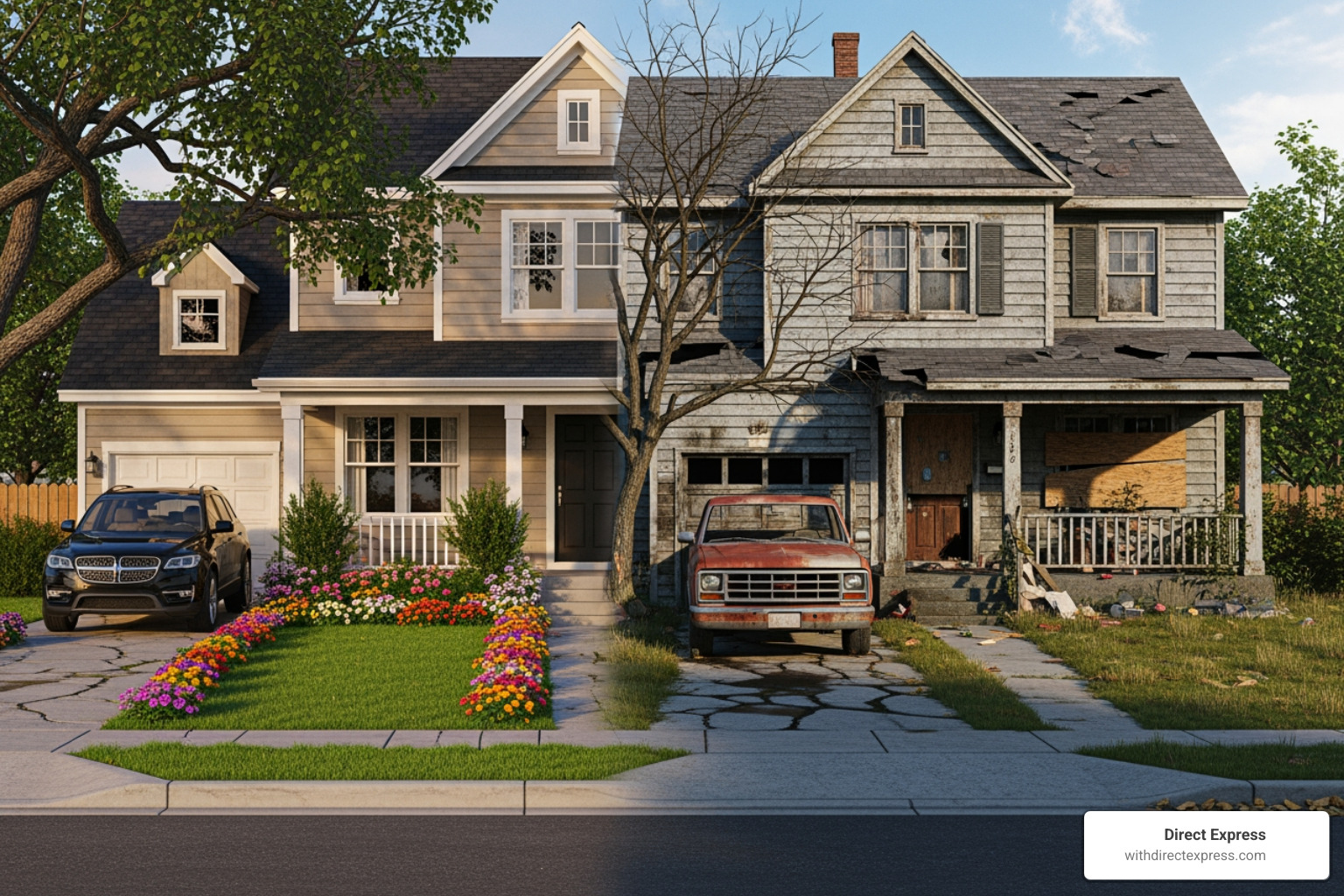
The primary draw of sheriff sale houses is the chance to acquire real estate at a deep discount, often starting at just two-thirds of the appraised value. This low acquisition cost can translate into instant equity the moment you take ownership. For investors in our Florida service areas like St. Petersburg and Tampa Bay, this creates opportunities for impressive rental yields or profits on resale.
When you’re building equity quickly, every dollar saved on the purchase price boosts your investment. If you’re exploring Buying a Home as an investment, these sales offer a unique path to portfolio growth. At Direct Express, we specialize in property management and help clients turn these finds into lucrative rental properties. Another benefit can be less competition, as the cash requirements and high risks deter many conventional buyers.
The Pitfalls: Risks of buying sheriff sale houses
The risks are real and can turn a great deal into a financial nightmare. The biggest challenge is the ‘as-is’ condition. You buy the property with all its flaws, and you have no recourse. This is compounded by having no interior inspections. You are buying blind, unable to check for severe structural damage, mold, or plumbing disasters.
Hidden damages are common, so you must budget generously for unexpected repairs. Title issues are another serious concern. Federal tax liens, unpaid property taxes, and HOA fees can survive the sale and become your responsibility. This is why a thorough title search is non-negotiable and often requires expertise in Real Estate Law Florida.
Finally, you must be prepared for evicting occupants. Many sheriff sale houses are still occupied, and the new owner is responsible for the legal eviction process, which can be costly and time-consuming.
The Right of Redemption
One final legal wrinkle is the right of redemption. This provision allows the original owner to reclaim their home after the auction by paying the full debt plus costs within a specific period. While relatively rare for mortgage foreclosures in Florida, the rules vary, so you must verify if a redemption right applies to the property you’re considering. If the owner redeems the property, you get your money back but lose the investment opportunity. For context on homeowner protections, you can read about Can You File for Bankruptcy and Keep Your House?.
After the Hammer Falls: Post-Sale Procedures
Winning the bid on a sheriff sale houses property is just the beginning. Several critical steps remain to finalize your purchase and take control of your new asset.

Finalizing the Purchase and Taking Ownership
The clock starts ticking immediately. You must submit the final payment within the county’s strict deadline, typically 10 to 30 days, using certified funds. Failure to do so results in forfeiting your deposit.
Next, the court issues a confirmation of sale, which legally approves the transaction. Once confirmed, the Sheriff’s Office issues a Sheriff’s Deed, transferring ownership to you. The final step is to record the deed with the County Clerk’s Office. This public record officially establishes and protects your legal ownership. While the sheriff’s office may handle this, you must confirm the process for your specific county. For context on real estate transaction speeds, see our guide on how to Sell My House Fast Tampa Bay Florida.
Dealing with Occupants and Property Condition
If the property is occupied, you must obtain a writ of possession from the court to begin the formal eviction process. This is your responsibility as the new owner and often requires hiring an attorney. A common strategy to speed this up is a ‘cash for keys’ offer, where you pay occupants to leave voluntarily. Our insights on Avoid Foreclosure Tampa can provide perspective on what occupants may be facing.
Once you gain possession, immediately secure the property by changing the locks and assessing for hazards. This is your first chance to inspect the interior and confirm your renovation budget. For investors, turning a sheriff sale purchase into a rental can be highly profitable. At Direct Express, our property management services can help you find tenants and manage your investment, while our Cash Home Buyers St Petersburg service offers an alternative exit strategy.
Navigating Jurisdictional Differences for sheriff sale houses
It is critical to understand that rules vary significantly by state and even by county within Florida. Procedures in Hillsborough County may differ from Pinellas County regarding auction times or payment deadlines. Rules in other states like Pennsylvania, Ohio, or New Jersey are different still. For example, you can review resources like About Sheriff’s Sales from New Jersey, but always prioritize your local Florida county’s official guidance.
Always research the specific rules of the county where you plan to bid. Consult the official Sheriff’s Office and Clerk of Courts websites. Assuming rules are the same everywhere is a costly mistake. At Direct Express, we help clients steer these jurisdictional differences across the Tampa Bay area.
Frequently Asked Questions about Sheriff Sale Properties
Buying sheriff sale houses is complex. Here are answers to some of the most common questions we hear at Direct Express.
Can I get a mortgage to buy a sheriff sale house?
No, it’s nearly impossible to use a traditional mortgage for a sheriff’s sale. The timeline is too fast. You need a 10-20% deposit immediately and the full balance within 10-30 days, which conventional lenders cannot accommodate. Most purchases are made with cash.
An alternative is a hard money loan from a private lender who can close quickly, but these come with much higher interest rates. Many investors use this as a short-term bridge. After you own the property and clear the title, you can refinance with a traditional mortgage to pull your cash out and secure better long-term financing. Our guide on How to Buy Foreclosure offers more detail on financing strategies.
What happens if the property is occupied?
As the new owner, you are responsible for dealing with any occupants. The Sheriff’s Office does not evict them for you. If there are tenants with a valid lease, you must typically honor the lease or follow state law for providing notice. If the previous owner is still there, you must go through the formal legal eviction process, starting with a “writ of possession” from the court.
To avoid a lengthy and costly legal process, many investors make a ‘cash for keys’ offer, paying the occupants to leave voluntarily. We strongly recommend consulting an attorney experienced in Florida landlord-tenant law. Our team can connect you with legal professionals who understand Real Estate Law Florida. For perspective on the other side, see our article on how to Avoid Foreclosure Tampa.
Are all liens cleared at a sheriff’s sale?
No, and this is a critical risk. Not all liens are automatically cleared. Liens are paid based on priority. While junior liens (like a second mortgage) are often wiped out in a mortgage foreclosure, senior liens survive the sale.
Crucially, property tax liens almost always have top priority and will become your responsibility. Federal tax liens from the IRS can also survive the sale and remain attached to the property. You may also inherit other debts like municipal assessments or utility liens.
This is why a comprehensive title search is absolutely non-negotiable before you bid. A title professional can identify which liens will remain after the sale, allowing you to calculate the property’s true cost. At Direct Express, we work with experienced title companies to protect our clients from these hidden financial traps.
Is a Sheriff’s Sale Right for You?
Whether sheriff sale houses are right for you depends on an honest self-assessment of your risk tolerance, financial readiness, and commitment to research.
Successful buyers have a high risk tolerance for bidding on a property they can’t inspect. They are masters of due diligence, spending hours researching titles, liens, and property histories. They also have deep financial readiness, with cash for the purchase plus a substantial reserve (20-30% of the purchase price) for unexpected repairs and carrying costs.
Your investment strategy–whether it’s a fix-and-flip, a long-term rental, or a primary residence–must align with these realities. For rental investors in St. Petersburg, Tampa Bay, and our other Florida service areas, these properties can offer exceptional returns once the initial problems are cleared.
At Direct Express, we’ve built our business to help clients steer these complexities. Our integrated model means you’re not alone. After you acquire a property, our construction and plumbing services can handle renovations. Our property management team can then find quality tenants, and our mortgage professionals can help you refinance. This seamless approach simplifies the entire process.
We’ve worked with everyone from nervous first-time buyers to seasoned investors. The common thread is preparation and partnership with experienced professionals. If you’re considering this path, start by observing a few auctions and reviewing our Direct Express Insights. When you’re ready, explore our comprehensive list of Foreclosure Houses For Sale to see current opportunities.
Sheriff sales aren’t for everyone. But for the right buyer, they can be a game-changer, offering a chance to build equity and grow an investment portfolio in ways that traditional purchases cannot. We’re here to provide the honest information you need to decide if that buyer is you.